Climber Checking Map Illustration: A Designer’s Honest Review
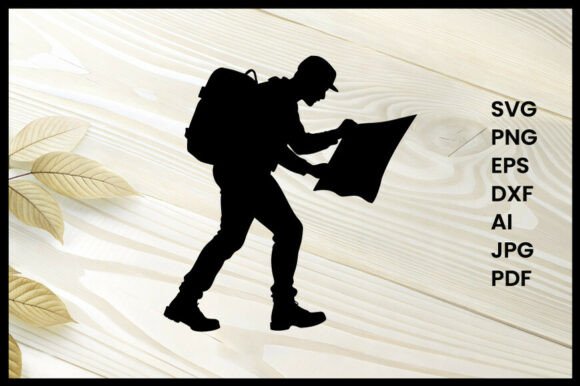
As an experienced embroidery designer and product reviewer, I’ve seen countless graphics come and go. Some are just okay, others are forgettable, but every now and then a design like the Climber Checking Map Illustration stands out for its versatility and visual charm. This silhouette-style illustration of a hiker consulting a map brings a subtle yet powerful message—adventure, navigation, and self-reliance—that resonates well in both personal and commercial embroidery projects.
First Impressions and Visual Personality
The moment I saw the Climber Checking Map Illustration, I could tell it was designed with intention. The clean lines and minimalist approach make it feel modern and timeless at once. It doesn’t scream for attention, which is a big plus for designs that need to sit quietly on fabric without overwhelming it. The figure is stylized enough to avoid looking too generic, yet simple enough to be adaptable across various embroidery applications.
What really caught my eye was how the posture of the climber conveys a sense of calm focus. It’s not a dramatic pose or a flashy detail—it’s the kind of imagery that feels authentic and relatable. For someone who loves outdoor themes or wants to create products that evoke a sense of journey and exploration, this illustration hits all the right notes.
Real-Life Embroidery Use Cases
I often test digital embroidery files by imagining them on actual products before ever stitching a sample. The Climber Checking Map Illustration immediately made me think of a few practical applications:
- Tote bag design: A large-format version of this illustration would look fantastic on a canvas tote, especially if paired with a mountain range or trail motif as a background.
- Sweatshirt embroidery: Placed near the chest area, the illustration adds personality without being too busy. Its simplicity works well against darker sweatshirt fabrics.
- Embroidered patch: If you're making patches for backpacks, jackets, or even denim, this design offers enough character to stand out while remaining easy to stitch cleanly.
- Baby items: Though it’s more adventurous than sweet, a smaller version with soft thread colors can work well on baby onesies or blankets, subtly nodding to future explorers.
- Nursery decor: For parents who love hiking or nature, this could be embroidered onto wall art or pillow covers, adding a unique touch to a themed room.
- Holiday gifts: Think about holiday aprons or towels for outdoor enthusiasts—this design fits perfectly into seasonal gift-making without feeling forced.
Its neutral tone and clear shape allow it to blend into many styles, from rustic farmhouse to modern minimalism. As an embroidery file, it gives designers room to play with color palettes and backgrounds, making it suitable for a wide range of audiences and market segments.
How It Performs in Real Projects
One of the things I always consider when evaluating an embroidery design is how it translates from screen to fabric. The Climber Checking Map Illustration does this quite well. The details are crisp, and the composition avoids any unnecessary complexity that might cause issues during stitching. That said, there are a few things to keep in mind when using it in real-life embroidery scenarios:
- Thread color contrast matters. Because it's a silhouette, the effectiveness of the design depends heavily on how it contrasts with the fabric. Darker colors will pop more, but lighter threads can also work if the background is appropriately chosen.
- Stabilizer choice is important, particularly for delicate or stretchy fabrics. Even though the illustration isn’t overly dense, proper backing helps maintain stitch integrity and prevents distortion.
- Hoop size should be considered carefully. Larger versions require bigger hoops, while smaller ones may lose their impact if compressed too much. Always check recommended hoop sizes before committing to production.
- Fabric texture plays a role in how the design looks post-stitching. On smooth cotton blends or linen, the illustration appears sharp and defined. But on textured or woven materials, some fine lines may soften slightly.
For Etsy sellers and small shop owners, this design has strong potential for branding and storytelling. It’s ideal for creating handmade products that speak to lifestyle or identity, such as custom apparel for adventure-themed boutiques or personalized gifts for hikers and campers.
Where to Use It Carefully
Though the Climber Checking Map Illustration is versatile, there are specific situations where extra care is needed:
- Small hoop sizes: The illustration contains enough detail that shrinking it too much can compromise clarity. Always review the smallest viable size for your machine.
- Stretchy or thin fabrics: These materials can cause stitches to distort or pull through, especially in areas with tight curves or fill patterns. Testing is key here.
- Dense stitch areas: While the design isn’t overly packed with stitches, certain parts (like the map) may require adjustments in density depending on the fabric and desired effect.
- Curved surfaces: Using this design on caps or curved garment areas could lead to stretching or misalignment. Proper positioning and stabilizing techniques are necessary.
- Products needing frequent washing: Dense stitch areas or multiple layers can pill over time. If you’re planning to use this on tea towels or aprons, opt for high-quality threads and lighter stitch density to preserve longevity.
If you're considering using it for commercial embroidery or print-on-demand services, be sure to test it on a variety of substrates first. The last thing you want is a batch of finished products that don’t look as good as they did in the preview image.
Design Impact and Customer Perception
When choosing an illustration for embroidery, it’s important to consider how it affects the overall product. The Climber Checking Map Illustration adds a layer of sophistication and purpose to any project. Whether it's stitched onto a cozy sweatshirt or printed as part of a printable mockup for digital sales, it enhances the perceived value of the item.
From a customer perspective, this type of imagery suggests quality and thoughtfulness. People connect with visuals that reflect their hobbies or aspirations. A hiker seeing this design on a personalized gift or handmade product might instantly feel it speaks to them. That emotional resonance is what makes it a great asset for craft businesses and digital embroidery file collections alike.
In terms of brand consistency, the illustration’s style allows it to pair well with other nature-themed or travel-inspired elements. It can easily become part of a cohesive line of products, especially for shops targeting outdoorsy demographics.
Practical Design Notes for Embroidery Creators
Here are a few tips to help ensure the best results when using the Climber Checking Map Illustration in your next project:
- Test on scrap fabric before final production. This is non-negotiable, especially if you're working with new materials or clients with specific expectations.
- Review stitch density for each section. Adjustments might be needed for different parts of the illustration to prevent puckering or uneven coverage.
- Check whether the design works in black and white. Sometimes, the true strength of a graphic becomes apparent when stripped of color.
- Compare light and dark fabric backgrounds to see which gives the most visual impact. Don’t assume—test!
- Inspect small details under magnification. Silhouettes can sometimes lose definition when scaled down or when using fewer thread colors.
- Confirm licensing before selling finished items or digital products. This ensures you're compliant and protects your business from legal surprises later.
Final Thoughts for Makers and Sellers
Overall, the Climber Checking Map Illustration is a solid addition to any machine embroidery design library. It’s not just another trendy graphic; it’s a thoughtful piece that invites interpretation and connects with people who value adventure and independence. When used correctly, it elevates the product value and supports a professional, trustworthy brand image.
However, like any embroidery project, success hinges on preparation. Take the time to understand how the design behaves on different materials and scales. Pay attention to thread choices and stabilize accordingly. And remember—while the illustrations and graphics look great in previews, it’s the final stitched result that truly defines the experience for customers.
For those in the craft business or running an online store, this design offers a reliable option for expanding your offerings. Just be sure to test, adapt, and present it with the same care you'd apply to any handmade shop product.