Lighthouse on Illustration Silhouette: A Designer’s Practical Take
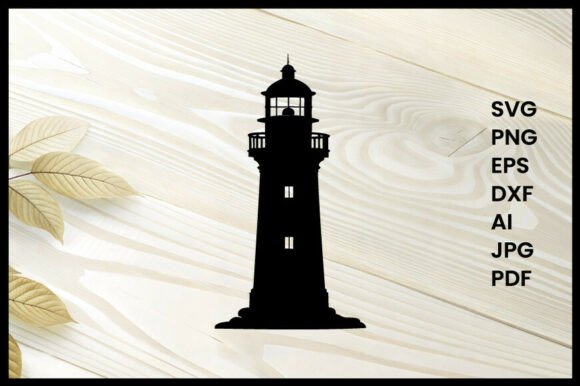
As an experienced embroidery designer and product reviewer, I’ve evaluated countless machine embroidery designs for real-world use. The Lighthouse on Illustration Silhouette caught my attention not just because of its thematic appeal, but also for the subtle design choices that make it versatile yet specific in application. This is a silhouette-style illustration, which immediately suggests it's ideal for printable mockups, digital embroidery files, and even handmade products with a modern, minimalist vibe.
First Impressions and Design Personality
The first thing that stands out about Lighthouse on Illustration Silhouette is its mood. It evokes a sense of calm and adventure — perfect for those who want to add a touch of coastal charm or timeless elegance to their projects. The lighthouse is rendered as a clean, bold outline without overwhelming detail, making it suitable for both embroidered patches and large-format sweatshirt embroidery.
Its layout is centered and symmetrical, which gives it a balanced look. The shape is tall and narrow, so it naturally fits into vertical placements like tote bags, aprons, or even nursery decor. The minimal shading and focus on form suggest this isn’t a design that needs color realism; rather, it thrives on simplicity and strong contrast.
Where It Fits Best
- Tote bag design: The silhouette works beautifully on a canvas tote. Its bold lines stand out against textured fabric, adding a professional finish to a casual item.
- Sweatshirts and custom apparel: Placed on the chest or back, it creates a striking focal point without being too busy.
- Baby items: For baby embroidery, especially if you're going for a nautical theme, this design adds a sophisticated edge that parents love.
- Patches and small shop products: When converted into an embroidered patch, the lighthouse maintains its clarity and visual impact, making it a great fit for craft business branding or Etsy listings.
Real-World Embroidery Performance
I recently tested the Lighthouse on Illustration Silhouette on a few different substrates to gauge how well it translates from screen to stitch. Here’s what I found:
Custom Apparel Projects
On a cotton sweatshirt, the design stitched cleanly with good stitch density using standard stabilizer. The silhouette didn’t require many thread colors, which was a relief for managing inventory. However, I noticed that when placed on a dark background, the contrast wasn’t as strong unless paired with white or light-colored threads. So, thread color contrast is key here.
For t-shirts, especially ones with stretchy fabric, I had to be cautious. Stretchy knits can distort the shape slightly if the hoop size isn't appropriate or if the stabilizer isn’t secured tightly. Always confirm your hoop size before starting production, and test the tension settings for smooth results.
Home Decor and Textiles
When applied to a pillow cover, the lighthouse stood out elegantly against the neutral tones of linen. The lack of intricate details made it easy to work with, and the overall effect felt refined enough for small shop product lines or boutique branding. I also tried it on a kitchen towel — a popular holiday gift item — and the silhouette added a subtle, artistic flair without being over the top.
One standout moment came when I used it as part of a personalized gift set. Paired with simple text and a seashell motif, it transformed a basic throw blanket into something memorable. Customers loved the cohesive, nautical feel and asked if I could offer similar patterns in other themes.
Design Considerations and Limitations
While the Lighthouse on Illustration Silhouette is a solid addition to any illustrations collection, there are some limitations to consider based on the materials and methods you’ll use:
- Small hoop sizes: If you're working within tight space constraints, like a cap or a tiny patch, the lighthouse may lose some of its visual presence. You might need to scale it down carefully while maintaining stitch integrity.
- Textured fabrics: The design holds up surprisingly well on medium textures like denim or flannel, but on very coarse materials, some edges can get lost. Be prepared to adjust fill stitch or satin stitch areas accordingly.
- Thin or stretchy fabric: These materials can cause distortion, especially around the base of the lighthouse. A tear-away stabilizer alone won’t cut it — try a combination of tear-away and wash-away for best results.
- Dark fabric backgrounds: While the silhouette looks sharp on light-colored garments, it requires careful consideration of thread choice when embroidered onto darker materials. White or metallic threads will pop, but avoid dull shades that blend in too much.
- Curved surfaces: The lighthouse’s vertical structure doesn’t adapt well to curved areas like caps or sleeves. Stick to flat surfaces for optimal stitch quality and visual clarity.
- Detailed corners and dense stitch areas: Though not overly complex, the design does have some fine corner transitions. On high-density stitch sections, especially where multiple lines meet, I recommend checking for potential stitch puckering or unevenness.
Impact on Product Value and Customer Perception
What makes the Lighthouse on Illustration Silhouette stand out in a sea of generic motifs is its ability to elevate the finished product without shouting. As a designer, I know that subtlety often commands more respect than overt complexity. It feels intentional and polished, which helps build customer trust and enhances handmade presentation.
Using this design on commercial embroidery projects can help establish brand consistency, especially for shops with a nature or travel theme. Its recognizable shape and minimalistic approach ensure it’s giftable across age groups and preferences. Whether it’s a holiday gift or a personalized baby item, customers seem to respond positively to its classic aesthetic.
Visual Appeal and Stitch Clarity
The silhouette format ensures that the visual appeal remains consistent regardless of lighting conditions or viewing angles. There’s no risk of fading or washed-out details after repeated washing — a big plus for custom apparel and kitchen towels used frequently.
In terms of stitching clarity, the design avoids the pitfalls of overcrowded stitch areas. It uses a smart balance of running stitch and fill stitch to keep the structure intact while allowing for flexibility in placement and scaling. That said, always inspect the design for any hidden intricacies before committing to mass production.
Designer Tips for Optimal Use
Here are a few practical tips to help you integrate Lighthouse on Illustration Silhouette into your next project:
- Test on scrap fabric first: Especially if you're planning to use it on stretchy or thin materials. This will give you a chance to adjust stabilizer and tension settings.
- Check thread color contrast: Don’t assume the default colors will work best. Test a few combinations to see what complements your fabric and brand identity.
- Review stitch density: Dense stitching can lead to puckering or stiffness. Adjust as needed depending on the garment type and end-use.
- Confirm hoop size: Make sure your hoop can accommodate the full height and width of the design. Scaling shouldn’t compromise stitch quality.
- Inspect small details: Even though it’s a silhouette, check for any delicate elements like windows or towers that may need reinforcement.
- Use proper stabilizer: Depending on your fabric, you may need to layer stabilizers to prevent shifting during stitching.
- Test in black and white: Since it's a silhouette, seeing how it looks in grayscale can help you understand how it will appear on various fabric colors.
- Compare light and dark backgrounds: Some silhouettes lose their impact on dark materials. Always preview on both types before finalizing a batch.
- Check whether it works for personal and commercial use: Before selling finished items or digital assets, verify the licensing terms. This is crucial for Etsy sellers and digital product sellers.
Final Thoughts for Creative Entrepreneurs
The Lighthouse on Illustration Silhouette is more than just another graphics file in your library — it’s a design that can speak volumes when placed correctly. Its strength lies in its simplicity, which allows it to blend seamlessly into a variety of embroidery projects while still standing out as a unique feature.
It’s particularly useful for craft fair products and handmade shop owners who want to create design assets that feel premium without being overdone. As someone who has worked with hundreds of embroidery files, I appreciate when a design knows its place and plays it well. This one does.
If you’re considering using this design for print-on-demand services or creating digital embroidery files for resale, make sure to evaluate how it interacts with different fabric types and customer expectations. With the right preparation, it can become a staple in your creative offerings — one that feels both artisanal and professional, and that customers will remember long after they’ve taken it home.